


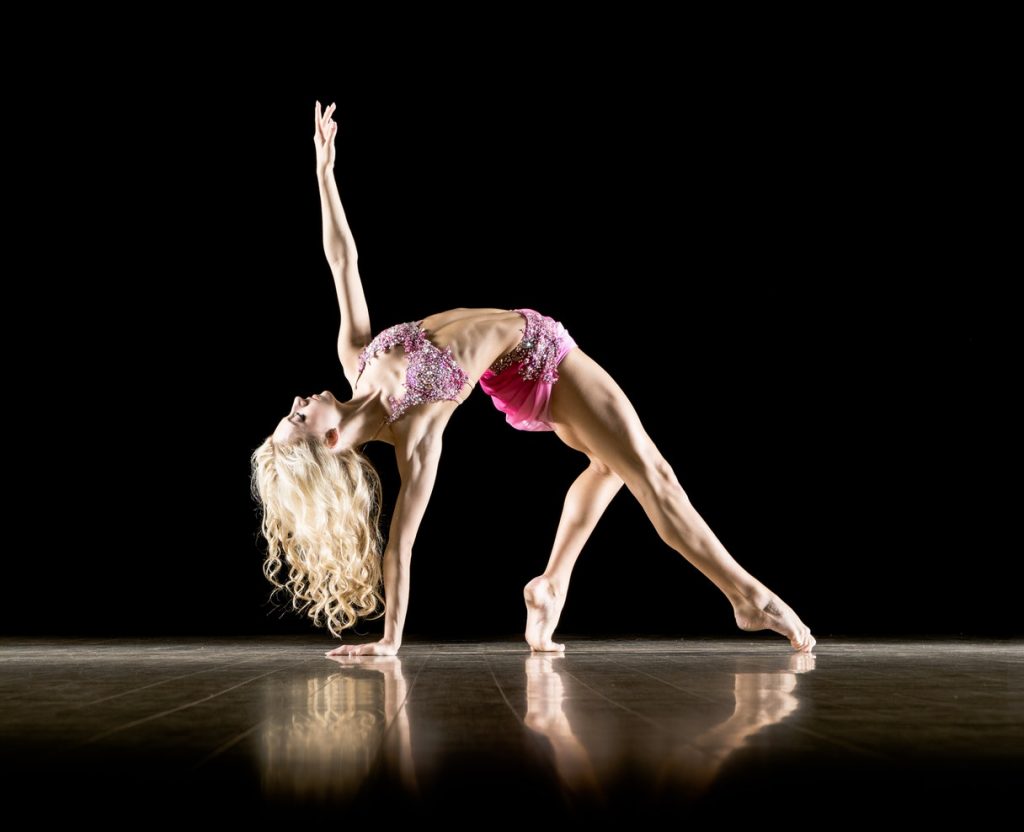
Dance discomfort comes with the territory of doing the usual hard work on the dance floor. Muscles hurt, toes feel cramps, and the back can be sore. Then there is the mental discomfort – “Am I jumping as high, as often, as well as I could be?” These are common issues for many dancers.
What is the difference between “usual” dancer discomfort and something more serious?
The simple answer is something that could keep a dancer off the floor for a long period of time or affect a dancer’s career.
So how does a dancer, or dance parent, or instructor decide when dance discomfort needs a visit to a dance medicine specialist? Paying attention to early warning signs might lead to some tweaking of dance to allow continued participation. This would be better than waiting until something major happens that pulls a dancer entirely from all activities.
DANCE DISCOMFORT: Early warning signs
- If pain limits ability to dance (fewer repetitions, leaves the class early, does not want to try a new movement) – that is more of a concern
- Difficulty lifting arms overhead in class
- Being sore walking out of the studio is one thing, but limping is definitely a higher level problem.
- Any hit to the head or whiplash movement of the neck that causes any pain or change in behavior
- Constantly thinking about an uncomfortable body part (can’t go as deep into plie since the foot hurts) is not a good thing
- Obvious bruising or joint swelling
- Spending more time with ice bags, wraps, heating pads then they do with friends
- Needing medication (Ibuprofen, Naprosyn, Acetaminophen) just to get through class
- That soreness that used to be just after dance class is still there the next morning, or even over the next several days
- Awakening from sleep because of pain
- Pain is even there when sitting in class or resting at home
- Any type of pain or discomfort that makes dance less fun and enjoyable
DANCE DISCOMFORT: USE YOUR FINGER TIP
Using your fingertip is one of the most accurate ways to judge pain. Let’s use shin pain as an example.
- Pain “up and down” the entire shin is one level of concern.
- However, if you can use a fingertip to identify a particularly painful area, then that is definitely a more major concern.
- Pinpoint pain on the shin may be a sign of a bone stress injury (such as a stress fracture) which needs urgent dance medicine specialist evaluation.
Finding fingertip pain on a growing dancer at points where muscles attach to bone can identify a potential growth plate/region injury. While none of us have x-ray vision, that fingertip location of pain is a good reason to seek out a dance medicine specialist and likely get real x-ray evaluations.
DANCE DISCOMFORT: USING THE NUMBERS
When asked How Much Pain is Too Much, I like to refer to a simple 0-10 pain/discomfort rating scale.
0 = no pain/discomfort
10 = big-time, worst pain/discomfort of life
A 0-3/10 pain/discomfort is acceptable as the “price of doing business” as long as there is no limping, big change in technique, or major medicine use in play. Pain/discomfort that is 4/10 or higher (or has that limping or limitations) is not acceptable. Some kind of evaluation and modification must be considered.
DANCE DISCOMFORT: WATCHING YOUR TECHNIQUE
Is hip pain limiting the height or amount of your leg lifts or jumps? Is foot discomfort creating difficulty going into deeper plie? Are you hesitant to moving into arabesque positions due to lower back pain? Are you finding more comfort at the barre or in the back of the company rather than center stage? Are you moving slower through routines and having to think too much about movements that used to flow without any extra thought?
Not being able to do things that used to be routine, or having issues learning new movements may be another sign of concern. Having one or two consecutive “bad classes” is one thing, but a run of disappointing performances is a bigger problem. If your instructors or fellow dancers are making comments about technique or asking if everything is okay, then things may not be okay.
When your parents have a worried look on their face every time you dance (or leave the studio), maybe you should be worried.
DANCE DISCOMFORT: SOME FINAL THOUGHTS
No one wants to be that injured dancer. No dancer wants to miss time, let down the troupe, be unavailable to win the upcoming competition or not get the next big role.
Deciding between usual dancer discomfort and more serious problems can be challenging. Don’t take on that challenge by yourself. If concerns are on the floor, look at teaming with a dance medicine specialist as a way to add, not subtract from your dance experience.
Dr. Chris Koutures is a dual board-certified pediatric and sports medicine specialist who practices at ActiveKidMD in Anaheim Hills, CA. He is a team physician for USA Volleyball (including participating in the 2008 Beijing Olympics), the U.S. Figure Skating Sports Medicine Network, Cal State Fullerton Intercollegiate Athletics, Chapman University Dance Department, and Orange Lutheran High School. He offers a comprehensive blend of general pediatric and sport medicine care with an individualized approach to each patient and family. Please visit activekidmd.com or follow him on twitter (@dockoutures).